
Introduction
In the modern industrial landscape, the demand for efficient and effective labor housing solutions has become increasingly significant. As companies expand operations into remote areas, the need for comfortable and functional living spaces for workers is paramount. Customized prefabricated (prefab) houses have emerged as a transformative solution in this context, providing not only shelter but also fostering a sense of community among workers. This article explores the role of customized prefab houses in labor camps, highlighting their benefits, design principles, and impact on worker satisfaction and productivity.
Understanding Labor Camps and Their Importance
The Concept of Labor Camps
Labor camps are temporary or semi-permanent accommodations designed for workers deployed in remote locations, often in industries such as construction, mining, oil extraction, and agriculture. These camps serve as essential housing solutions for workers who would otherwise face significant challenges in accessing adequate living conditions.
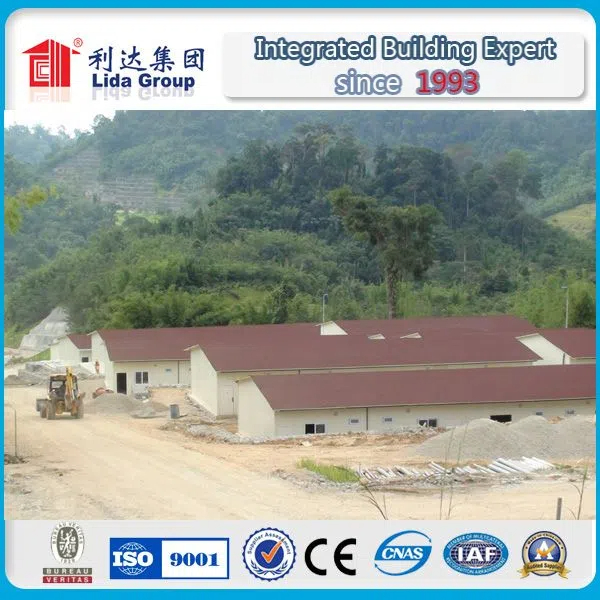
The Importance of Community in Labor Camps
Creating a sense of community within labor camps is crucial for several reasons:
- Worker Morale: A strong community fosters camaraderie, leading to higher morale among workers.
- Mental Well-Being: Social interactions and support networks can significantly improve mental health and reduce feelings of isolation.
- Productivity: When workers feel connected and supported, they are more likely to be engaged and productive in their roles.
The Rise of Customized Prefab Houses
What are Prefab Houses?
Prefab houses are constructed in sections at a factory and then assembled on-site. This method offers several advantages, including:
- Speed of Construction: Prefab houses can be built quickly, reducing the time workers spend in temporary accommodations.
- Quality Control: Factory production allows for better quality control compared to traditional on-site construction.
- Cost Efficiency: Prefab houses often result in lower construction costs due to reduced labor and material waste.
Customization in Prefab Housing
Customization is a key aspect of prefab housing that sets it apart from traditional labor accommodations. By tailoring designs to meet the specific needs of workers and the demands of different industries, companies can create more functional and comfortable living environments.
Benefits of Customized Prefab Houses in Labor Camps
1. Enhanced Comfort and Privacy
One of the most significant advantages of customized prefab houses is the ability to create comfortable and private living spaces. Key features include:
- Individual Units: Customized designs can incorporate individual living units, allowing workers to enjoy privacy and personal space.
- Quality Interiors: Well-designed interiors with essential amenities such as kitchens, bathrooms, and living areas contribute to a more pleasant living experience.
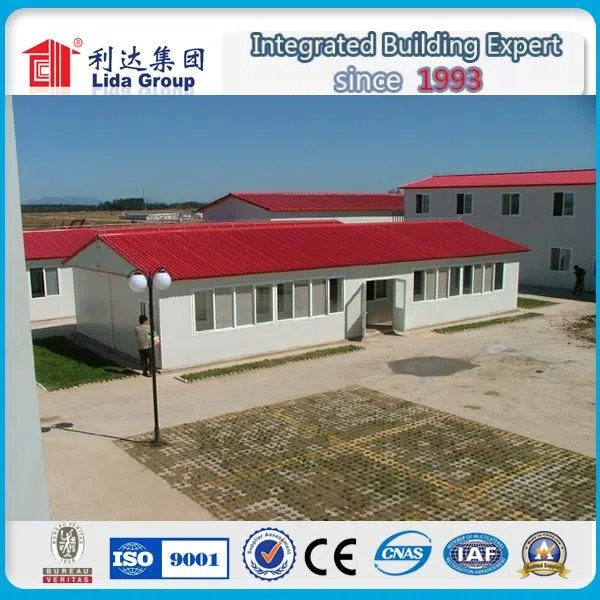
2. Improved Community Spaces
Customized prefab houses can incorporate shared spaces that encourage social interaction and community building. These may include:
- Common Areas: Spaces for dining, recreation, and relaxation promote a sense of belonging among workers.
- Activity Rooms: Designated areas for games, fitness, and social events foster camaraderie and teamwork.
3. Flexibility and Adaptability
The modular nature of prefab houses allows for flexibility in design and layout. This adaptability is crucial in labor camp settings:
- Easily Expandable: As workforce requirements change, additional units can be added without significant disruption.
- Customizable Layouts: Different configurations can be created to suit the specific needs of various groups, such as single workers or families.
4. Sustainable Practices
Sustainability is increasingly important in construction and housing solutions. Customized prefab houses can incorporate eco-friendly practices:
- Energy Efficiency: Utilizing energy-efficient materials and systems reduces operational costs and environmental impact.
- Sustainable Materials: Prefab houses can be constructed using materials that are responsibly sourced and environmentally friendly.
The Design Process for Customized Prefab Houses
1. Understanding Client Needs
The design process for customized prefab houses begins with understanding the specific needs of clients and their workforce. This includes:
- Consultations: Engaging with clients to discuss their requirements, workforce demographics, and project specifications.
- Site Assessments: Evaluating the location to determine logistical considerations, environmental factors, and available resources.
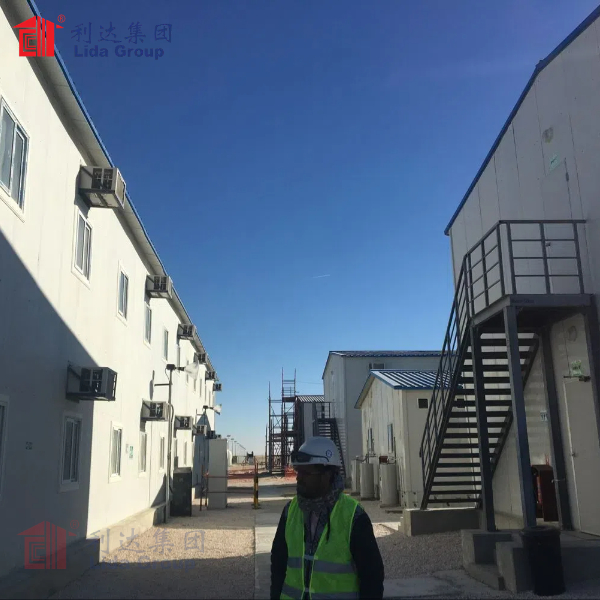
2. Collaborative Design
Collaboration is key to creating effective and functional living spaces:
- Involvement of Stakeholders: Engaging workers in the design process can provide valuable insights into their needs and preferences.
- Flexible Design Solutions: Offering various design options allows clients to choose layouts and amenities that best suit their workforce.
3. Incorporating Sustainability
Sustainability should be a core consideration throughout the design process:
- Eco-Friendly Materials: Selecting materials that minimize environmental impact is essential.
- Energy-Efficient Systems: Designing for energy efficiency helps reduce operational costs and supports corporate sustainability goals.
The Economic Impact of Customized Prefab Housing
1. Cost Savings for Companies
Investing in customized prefab houses can lead to substantial cost savings for companies:
- Reduced Construction Costs: The use of prefabricated materials and modular construction techniques lowers overall expenses.
- Lower Operational Costs: Energy-efficient designs and sustainable practices contribute to reduced ongoing operational costs.
2. Increased Efficiency
Customized prefab housing can enhance operational efficiency:
- Quick Deployment: Rapid setup allows companies to focus resources on core activities rather than housing logistics.
- Streamlined Operations: The modular nature of labor camps enables quick adjustments and expansions as needed.
3. Long-Term Benefits
Investing in high-quality living conditions can yield long-term benefits for companies:
- Improved Employee Retention: Satisfied workers are more likely to stay, reducing recruitment and training costs.
- Enhanced Reputation: Companies that prioritize worker welfare often have better reputations, attracting top talent.
The Future of Customized Prefab Housing in Labor Camps
1. Technological Innovations
As technology continues to evolve, the potential for enhanced prefab housing solutions increases:
- Smart Home Features: Integrating IoT devices for improved energy management, security, and convenience.
- Advanced Materials: Utilizing innovative materials that enhance insulation and durability.
2. Expansion into New Markets
The demand for customized prefab housing is likely to grow in emerging markets, addressing the need for efficient and adaptable housing solutions.
3. Continued Focus on Sustainability
The future of labor camps will increasingly emphasize sustainability:
- Eco-Friendly Practices: Continued commitment to reducing environmental impact through responsible sourcing and energy-efficient designs.
- Community-Centric Solutions: Designing housing that fosters community and social interaction among residents.
Conclusion
Customized prefab houses play a pivotal role in transforming labor camps into comfortable, functional, and community-oriented living environments. By prioritizing comfort, privacy, and shared social spaces, these innovative housing solutions significantly enhance worker satisfaction and productivity.
As the demand for effective labor housing solutions continues to grow, the focus on customization, sustainability, and community will be essential. Companies like Lida Group are leading the way in redefining labor accommodations, ensuring that workers not only have a place to stay but also a supportive community where they can thrive.
Through the integration of customized prefab houses, the future of labor camps looks promising, fostering a sense of belonging and enhancing the overall well-being of workers in diverse industries. Investing in high-quality living conditions is not just beneficial for workers; it also contributes to the long-term success and reputation of companies, creating a win-win scenario for all stakeholders involved.
Contact Us
Post time: Nov-22-2024